
Skip to content
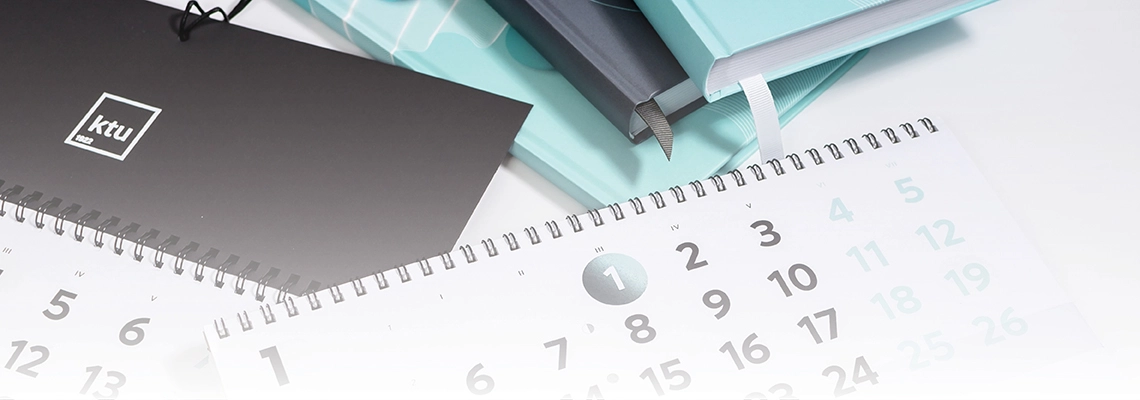
Two calendars and three closed notebooks photographed partially, with only sections of all items visible in the image.

Printing House

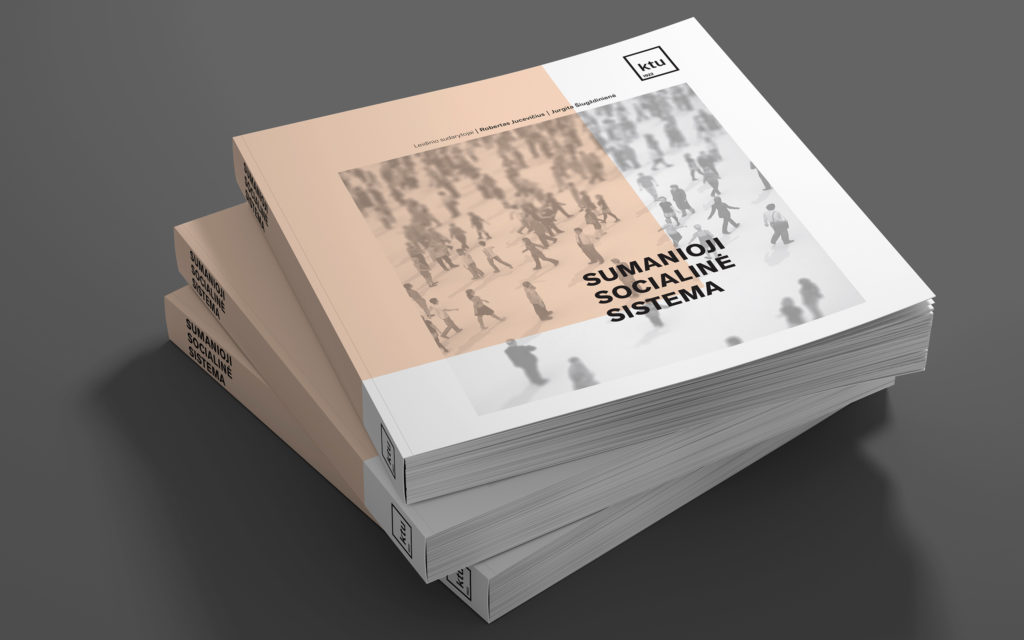
The KTU “Technologija” is essentially the only surviving printing house coupled with an academic publisher. The combination of the latest digital printing technologies and long-term experience ensures the timely fulfilment of a wide range of customer orders while maintaining outstanding quality.

About Printing House

Our printing house is proud to be the only surviving printing house within an academic publisher’s structure. We are also one of the few printing houses with the capacity to hardcover bind publications with extremely low, low or medium print runs. We employ state-of-the-art digital printing technologies, and our extensive experience enables us to efficiently fulfil a wide range of customer requests without compromising on quality. We believe that we can contribute to the success of your business and personal projects. We offer competitive prices and can therefore provide the optimal solution for you.

Would you be interested in sewn binding, hardbacks, sewn or glued brochures, or just glued brochures and sewn books? Whatever your requirements, “Technologija” is here to help.
How should files be prepared for publication?

All files prepared for printing (whether these are leaflets, glued brochures, sewn binding or any other category) must be presented in the .pdf format. Files must be presented with allowance for cutting. Requirements for presenting files for publication can be found in the section of the Main requirements for presentation of files for printing. If you choose so, we are ready to perform all the preparatory work of the printing files for you!

Should you have any further questions or if you wish to order some printing service, feel free to contact us at spaustuve@ktu.lt.

Range of KTU Printing House products

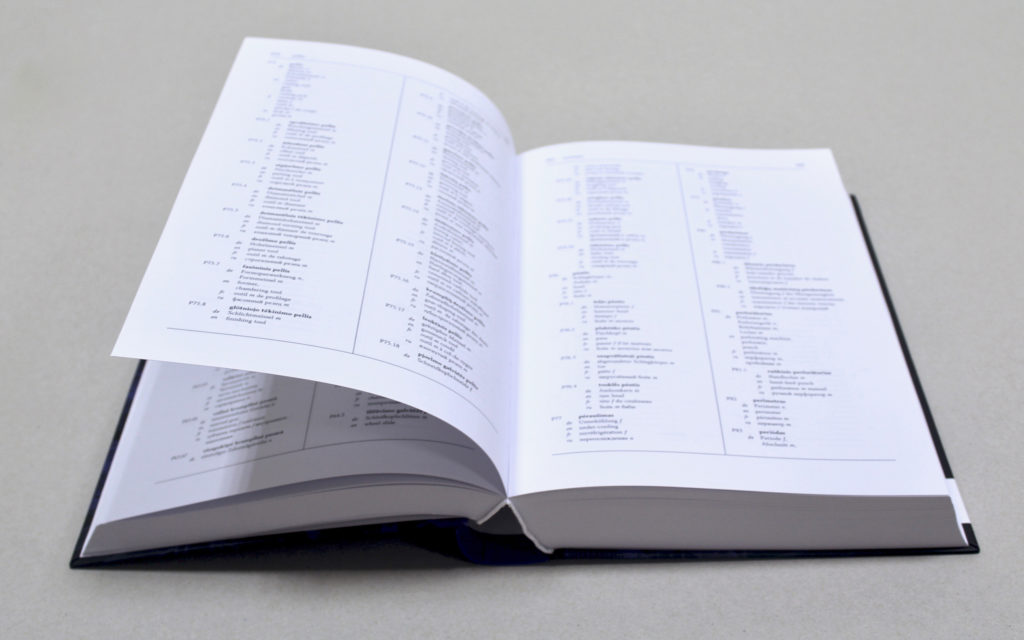
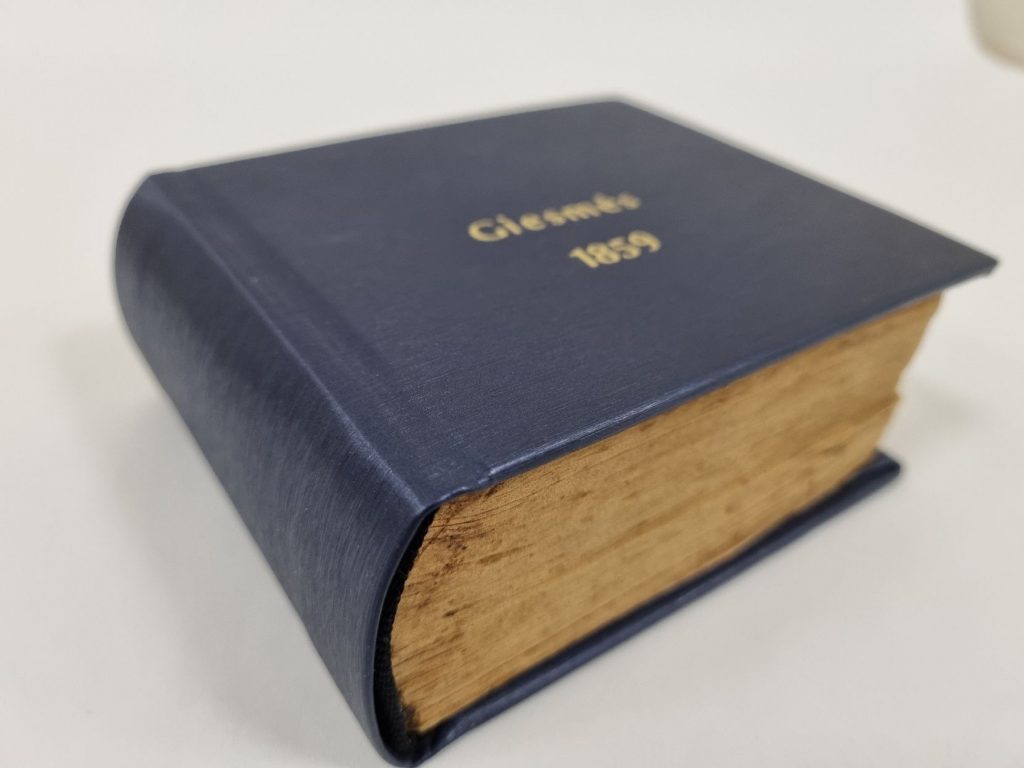
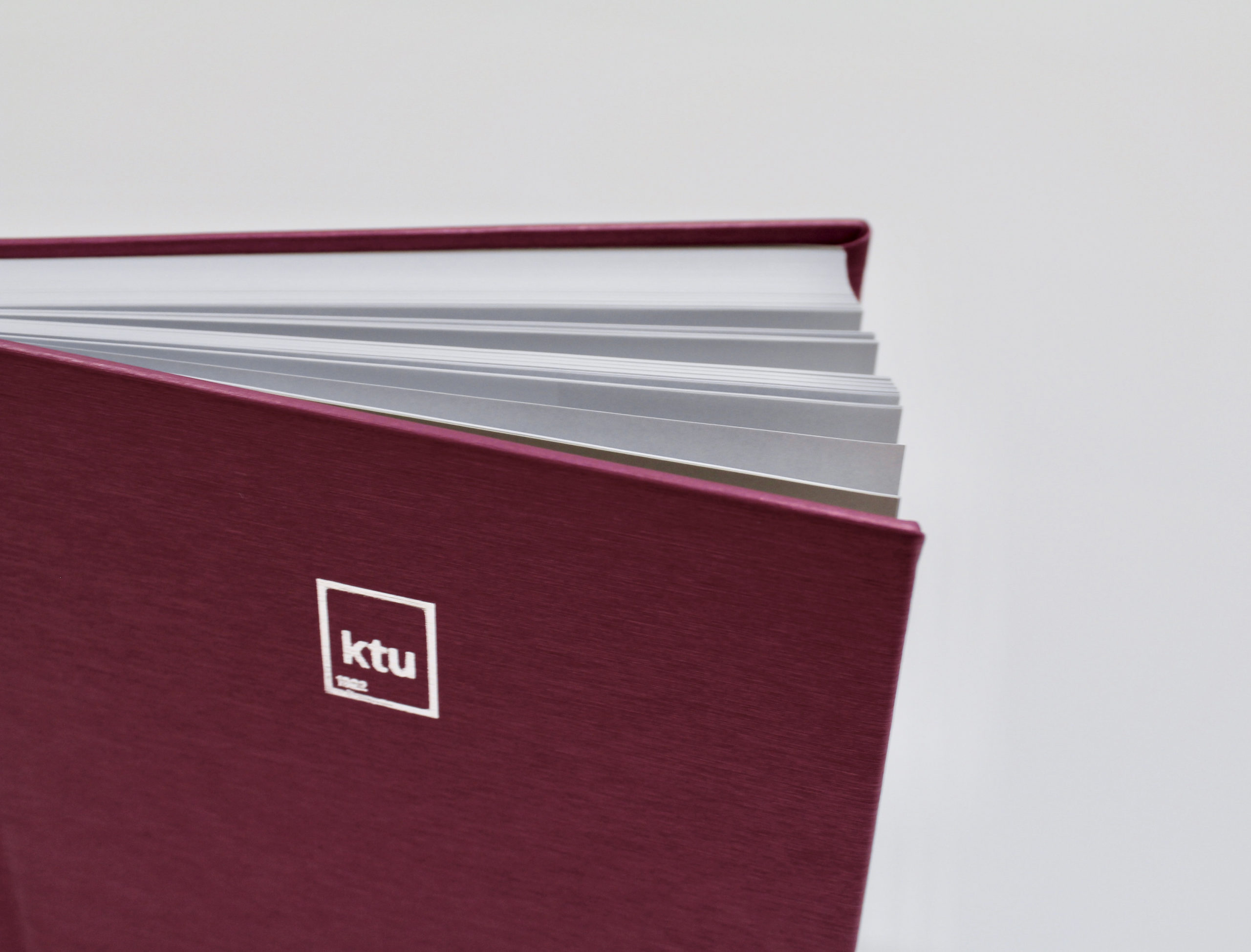
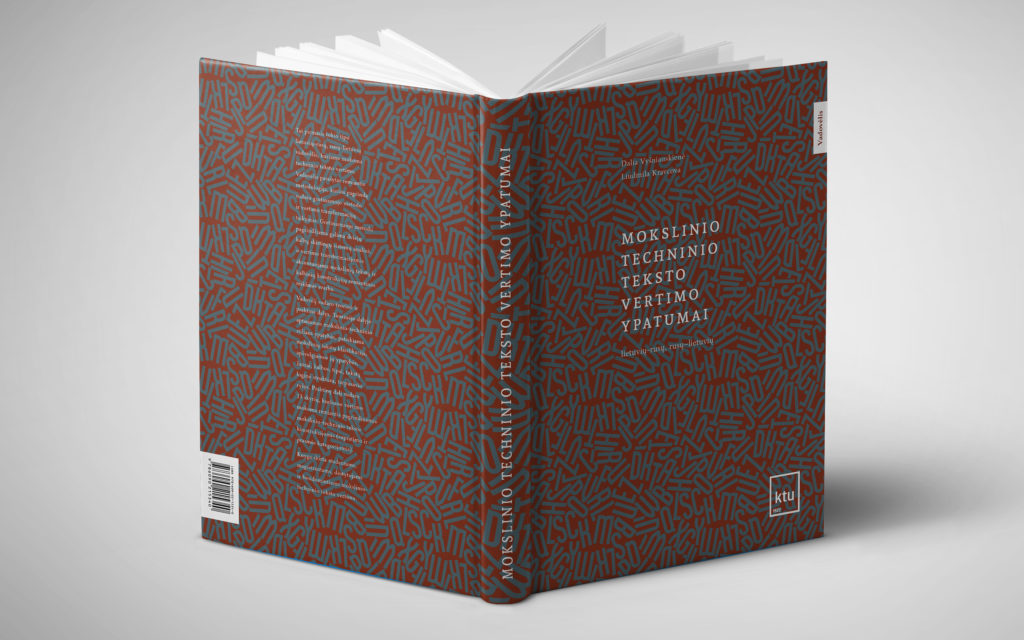
Hard binding / hardcover

This is a method of binding a book with a stiff cover. This is the most professional, reliable and luxurious method of binding a book. Sometimes it is referred to as Binding No. 4 (Hardcover).

This method is used for binding such books whose artistic, scientific or other residual value is the greatest as this type of book remains ‘time-resistant’ and impervious to other types of impact. Hard binding is used for scholarly, poetry, fiction and non-fiction books.

The most frequent range of sizes for hard-binds is from ~A6 (105×148 mm) to ~A4 (210×297 mm). The maximal size available for printing at our printing house is roughly equivalent to the size of A4. It is of importance to note that, when using the A4 format, i.e., 210×297 mm, the 210 mm side is the one at the top/bottom, whereas the 297 mm side is the vertical one, i.e., the left and the right side. The landscape format of the ‘horizontal A4’ layout (297×210 mm) is not offered at our publishing house, and hard binding of this 297×210 mm format is not performed by KTU printing house, either.

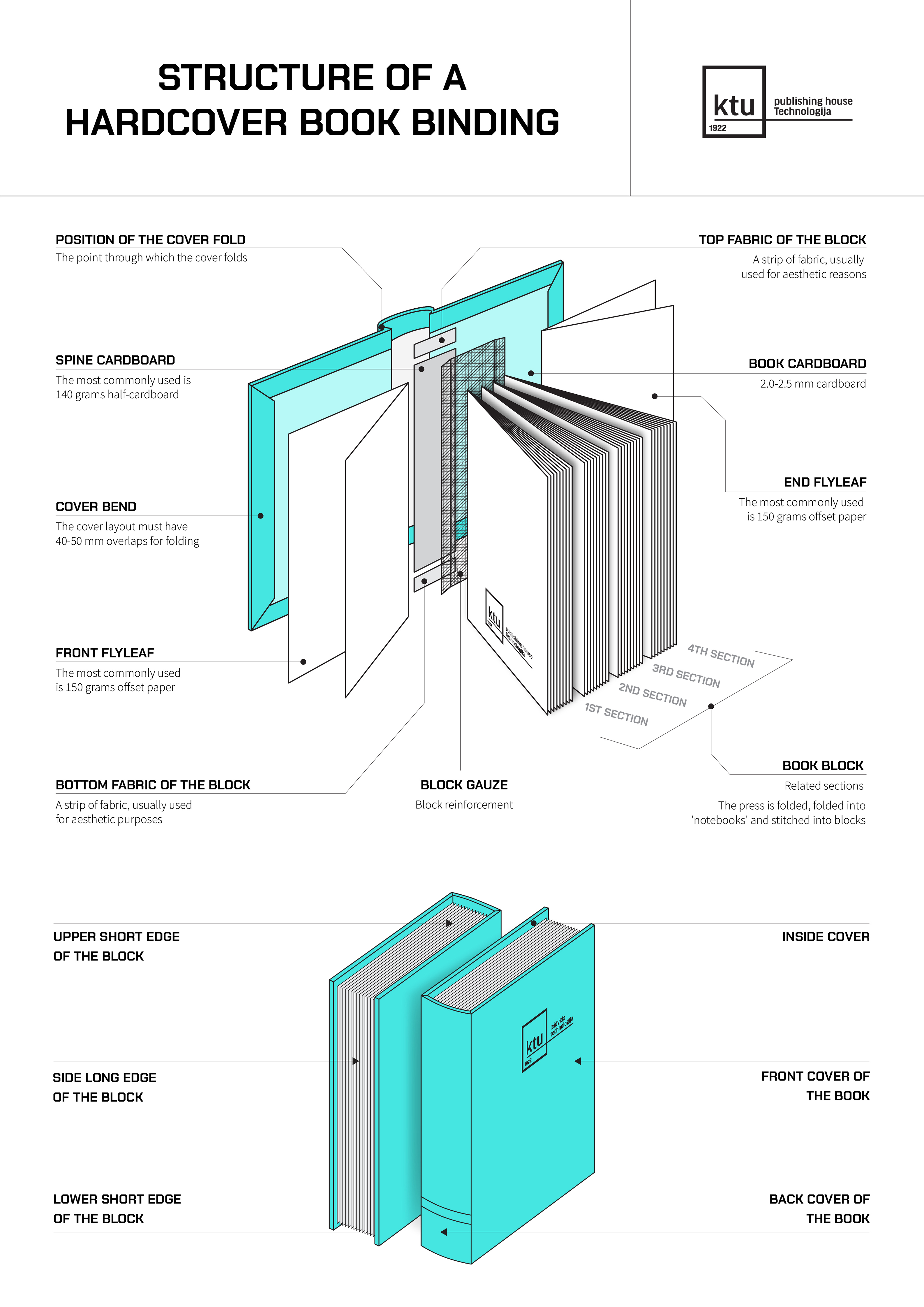
Producing hardcovers is the most complex undertaking as many steps are involved in the process. The first step is already involved in the course of the layout production. The inner pages of a book are positioned according to a certain system, where one block typically contains 16 pages; therefore, it is optimal if the final number of pages is a multiple of 16.

The printed inner pages of the book are folded and sewn together. Books typically use the recommended thickness of the inner pages equivalent to 80–120 grams per square meter, which is the so-called offset (or book) paper, but other varieties are also possible. Thus, the block hard-bound book is produced. The back of this book is stiffened up by gluing it to the special book binding gauze. The frontpage, which is a thicker page of ca. 150 grams per square meter is attached at the beginning and the end of the book, thus connecting the block of the book to its cover.

The cover itself is made of book cardboard, which is from 1 mm to 2.5 mm thick. The visual representation of the cover is printed on 150-gram coated paper which, after printing, is laminated. However, not only a printed, but also a fabric front page, leather imitation and other varieties are also available. The cover may be decorated with foil or silkscreen printing is also possible. This range of opportunities makes hardcover exceptional.

When the block book is prepared and the hardcover has been produced, the final process of inserting (gluing) the hardcover is performed.

Yes, there is a special sequence of steps to be performed. It is presented here to help you understand how a hardcover is produced. Should you have any further questions, do not hesitate to contact us.

The terms for producing a hardcover book depend on the required print run. For instance, a print run of 100 copies typically requires from 3 to 5 days of work. The minimum is just one copy; however, it becomes more rational and reasonable to start with 10 copies.

Printed front pages are possible; textile book tabs can be produced; covers can be made by using textile or leather imitation.

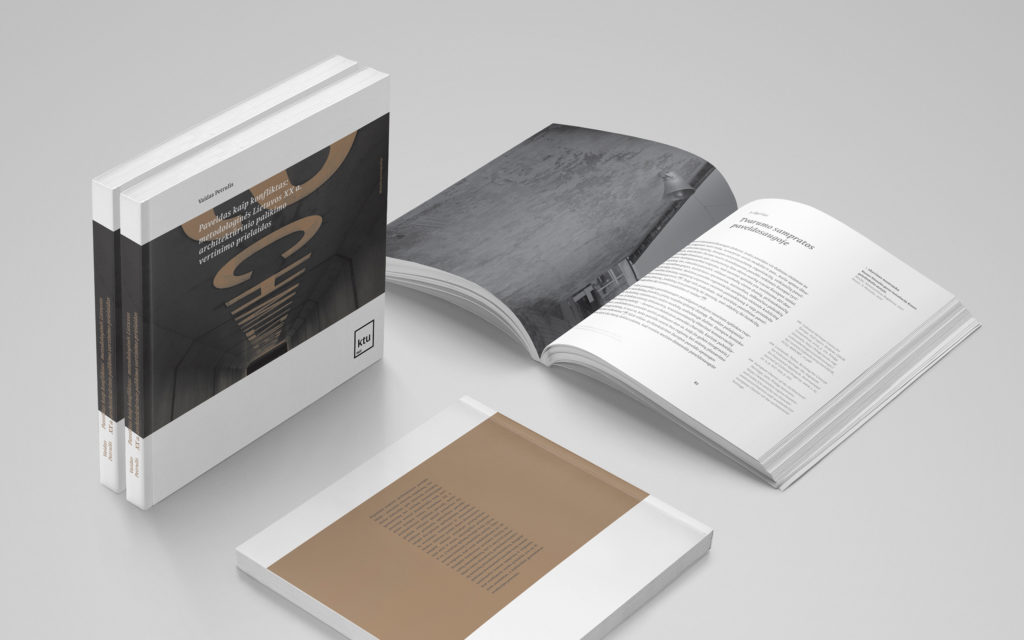
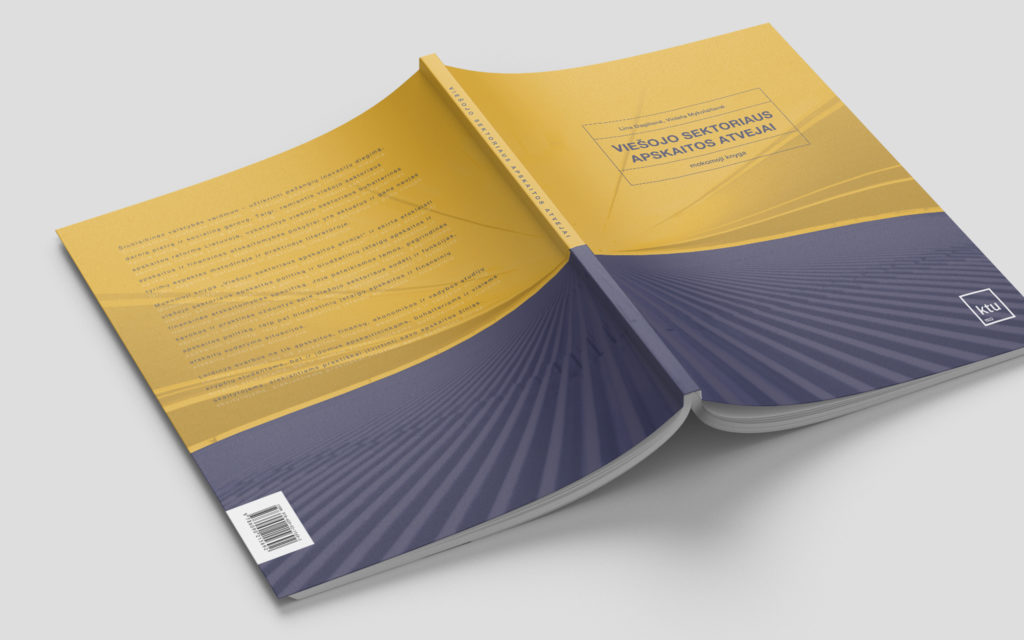
Glued books / brochures. Paperback

This is a method of producing a book or a brochure with a soft cover. It is fast and simple, as well as inexpensive – yet relatively efficient. Therefore, glued brochures are a relatively frequent method of binding.

Paperback is useful for producing such books and brochures which are not intended for stringent requirements of longevity, whereas the terms for publication are stringent, and the print run is higher than that of a typical hardcover book. This is the economically, technologically and visually optimal method of binding.

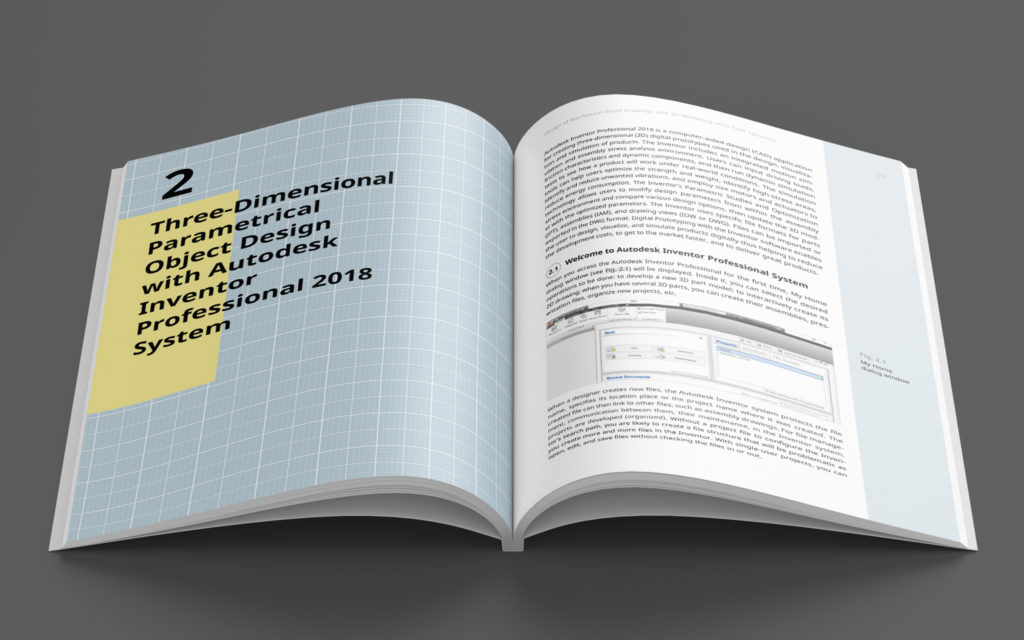
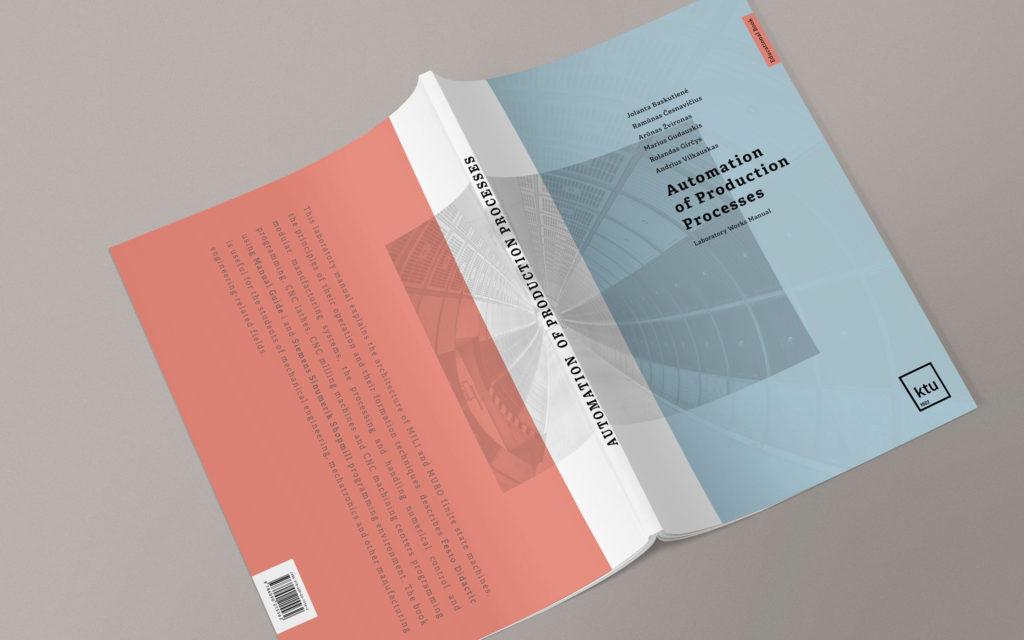
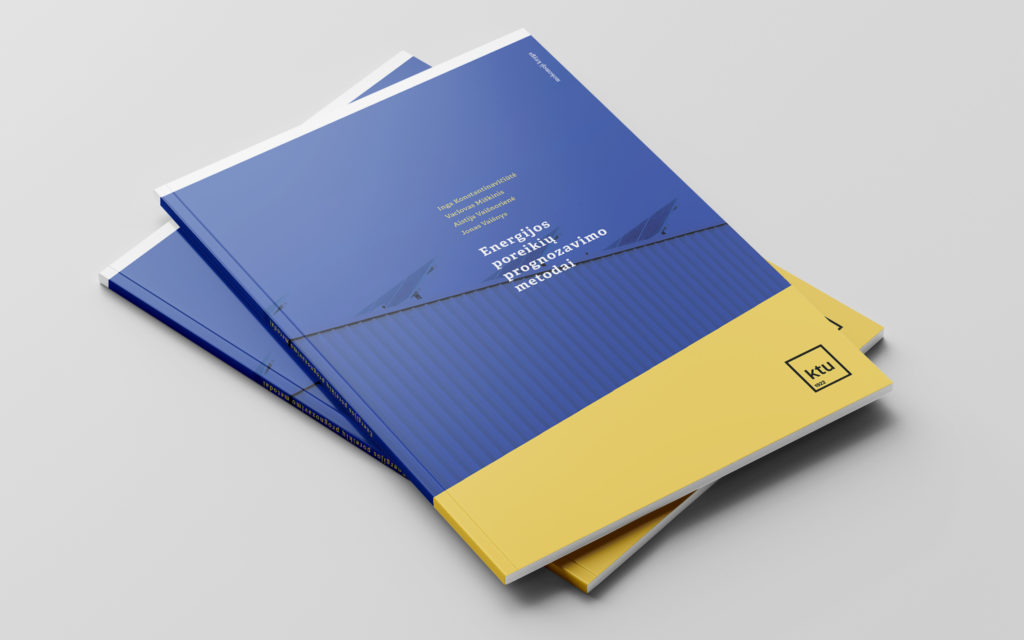
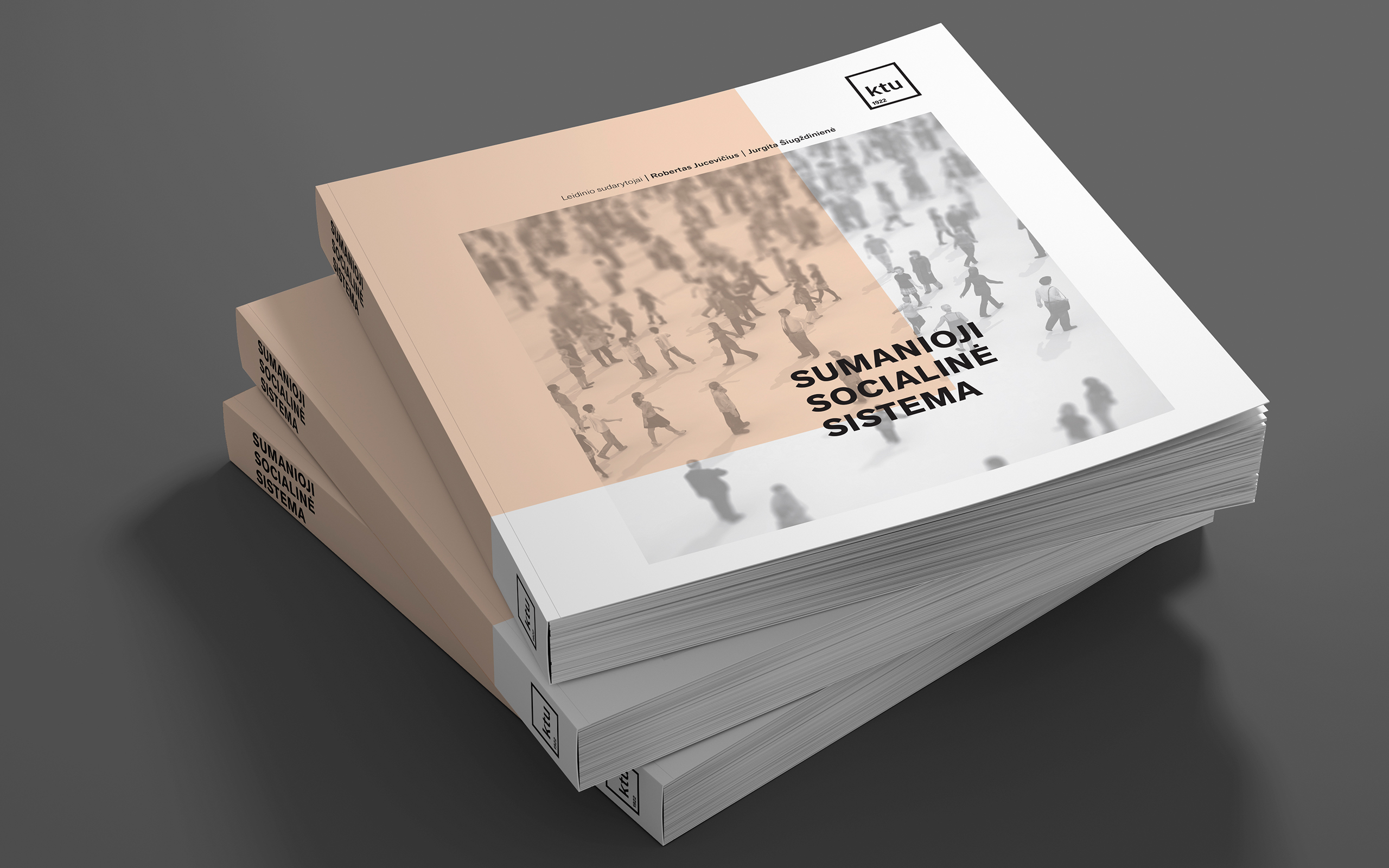
An example of glued book
An example of glued book.
An example of glued book

The inner pages can use a broad range of types of paper, but, essentially, the more pages there are in a book, the higher is the likelihood that the glued spine of the book will not survive the number of openings. The optimal number for paperbacks is from 50 to 350 pages. If there are more than 300 pages, a combined method is possible, when a brochure block is sewn with a glued front cover. This method of binding is called sewn-glued.

For the cover of a glued brochure, corrugated cardboard with printing can be used. If required, it can be laminated. Glued brochures may feature cover flaps. In this case, paper weighing from 200 to 350 grams can be used.

The block of brochure and its cover are connected by employing special elastic glue at the back of the book from the inner side.

The print run of a glued or sewn-glued paperback may vary within a very broad range, from a single copy to several thousand.

The time required for production depends on the desired print run. For instance, 100 copies may be produced in one or two days.

Coil binding brochures

This is the simplest way of binding a brochure when the cover and the inner pages are connected with coils. This method is technologically simpler to implement than the production of a glued brochure.

Such brochures are typically used for informative purposes, when information of short-term relevance needs to be presented. Therefore, no attempts are made to deliver a time-resilient product as a cheap and fast product of moderate quality of coil binding is available.

Coil-bound brochures consist of inner pages and the cover.

The inner pages are printed as sheets. Usually, luxurious paper is not considered, but this option is available. If the standard thickness paper of 80 grams per square meter is bound, visually acceptable coil-bound publications are those which do not exceed 100 pages. If there are more than 100 pages, or if paper of more than 80 grams is preferred, than, either the number of pages should be reduced, or another method of binding should be selected.

The cover should use paper weighing from 80 to 300 grams. It can be laminated, if required.

This binding can use cover flaps on request.

The print run of such brochures can range from a single copy to several thousand copies. For instance, a print run of 100 copies can be produced within one or two days.

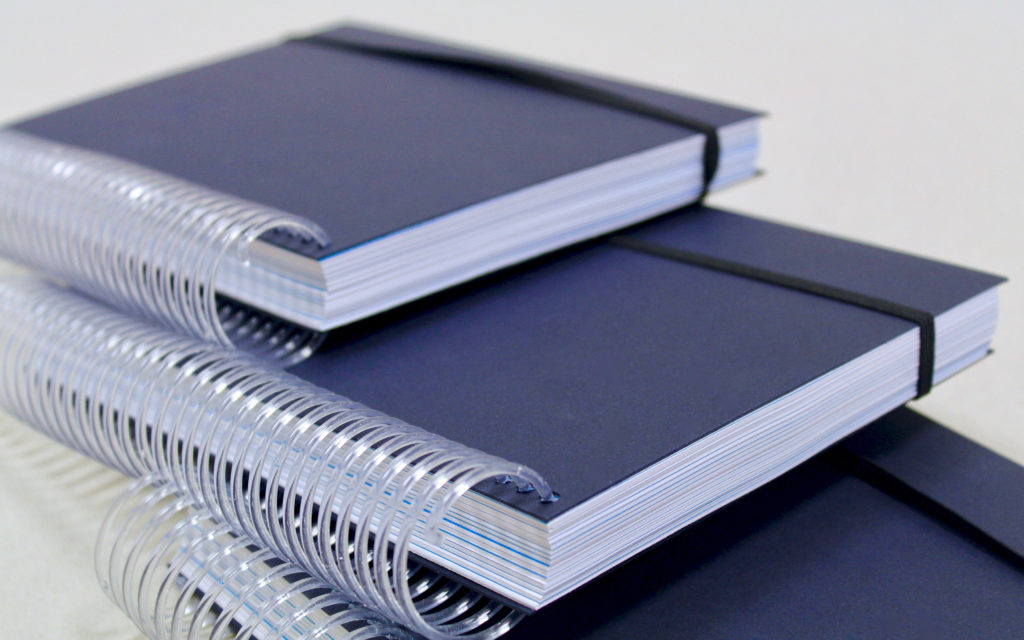
Spiral-bound brochures

This is one of the simpler ways of binding a brochure. The cover and the inner pages are fastened with a plastic or metal spiral.

Such brochures are typically produced for informative purposes, especially when the information to be provided is not denoted by long-term value. Therefore, this product is delivered within a short timeframe, whereas the method of binding allows efficient use of information nevertheless.

Spiral-bound books consist of the inner pages and the cover.

Such printed publications typically avoid using luxurious paper, yet, this option is available upon request. Differently from coil binding, spiral binding allows a virtually unlimited number of pages. Essentially, from 300 to 400 pages can be bound, depending on the paper weight.

The cover page uses paper ranging from 80 to 300 grams of weight per square meter. The cover can be laminated, if requested.

It is notable that the cover, when bound with a spiral, must be separate. It is split into two parts, that is, the front cover and the back cover are not physically connected when binding with a spiral.

Both the front cover and the inner block are perforated with a special machine with cuts out holes, and the spiral is inserted (as if screwed) into them.

The range of the print run of such spiral-bound brochures may vary a lot: from a single unit to several thousand of them. The terms of production depend on the print run. For instance, a print run of 100 copies can be produced within one or two working days.

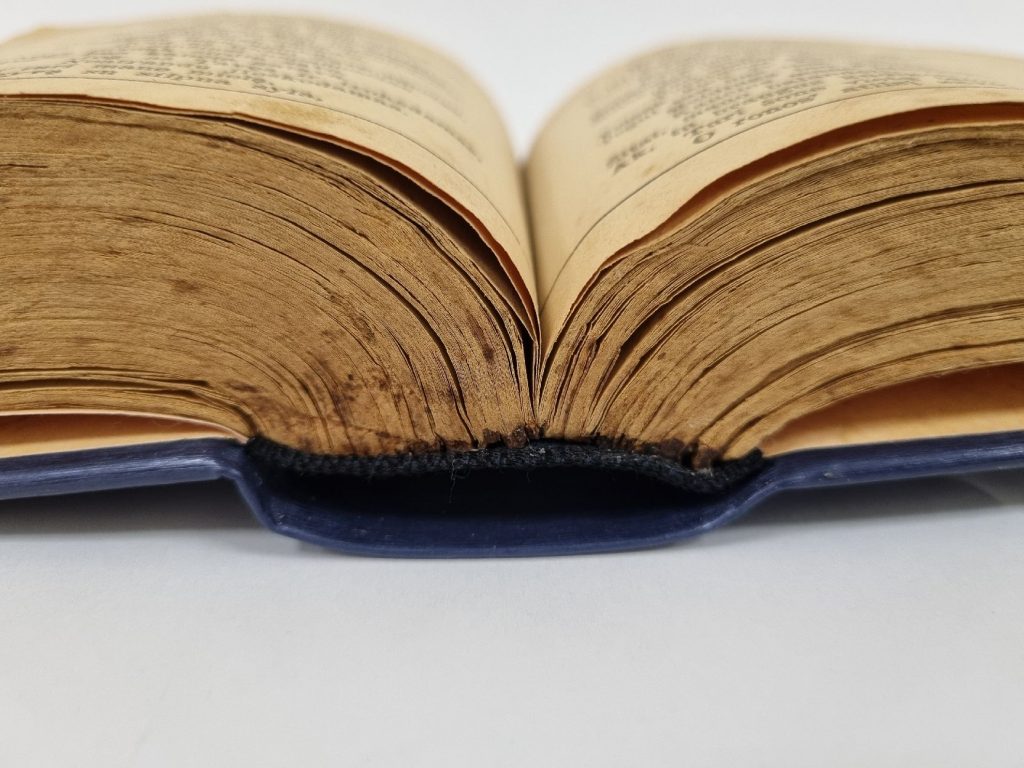
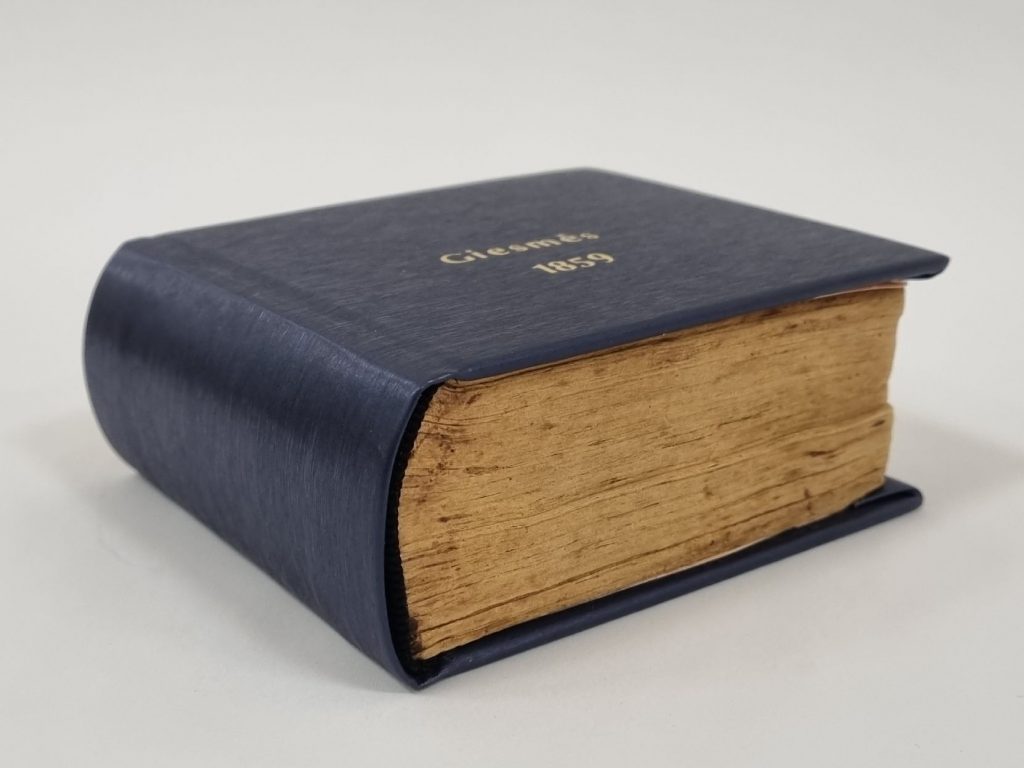
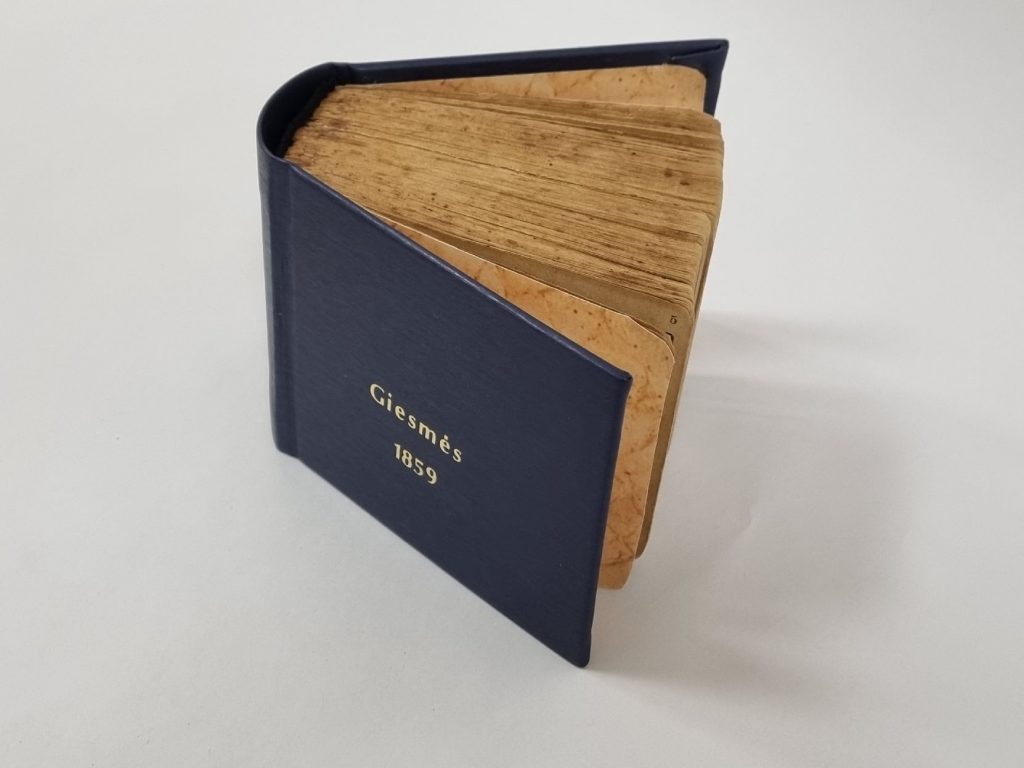
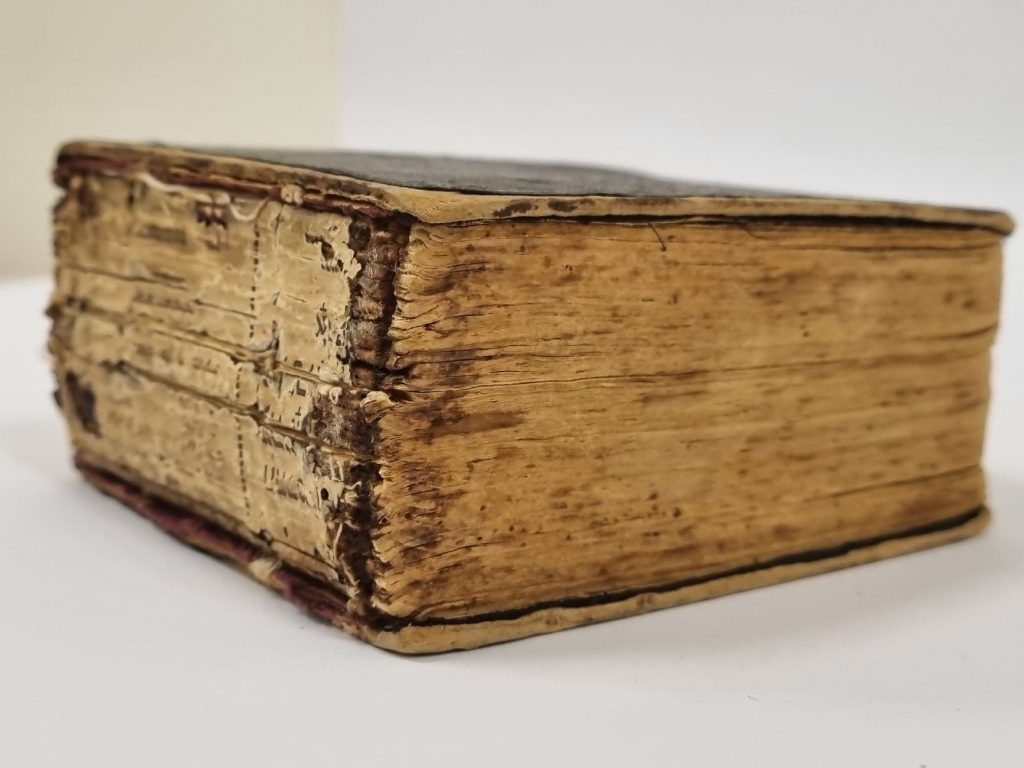
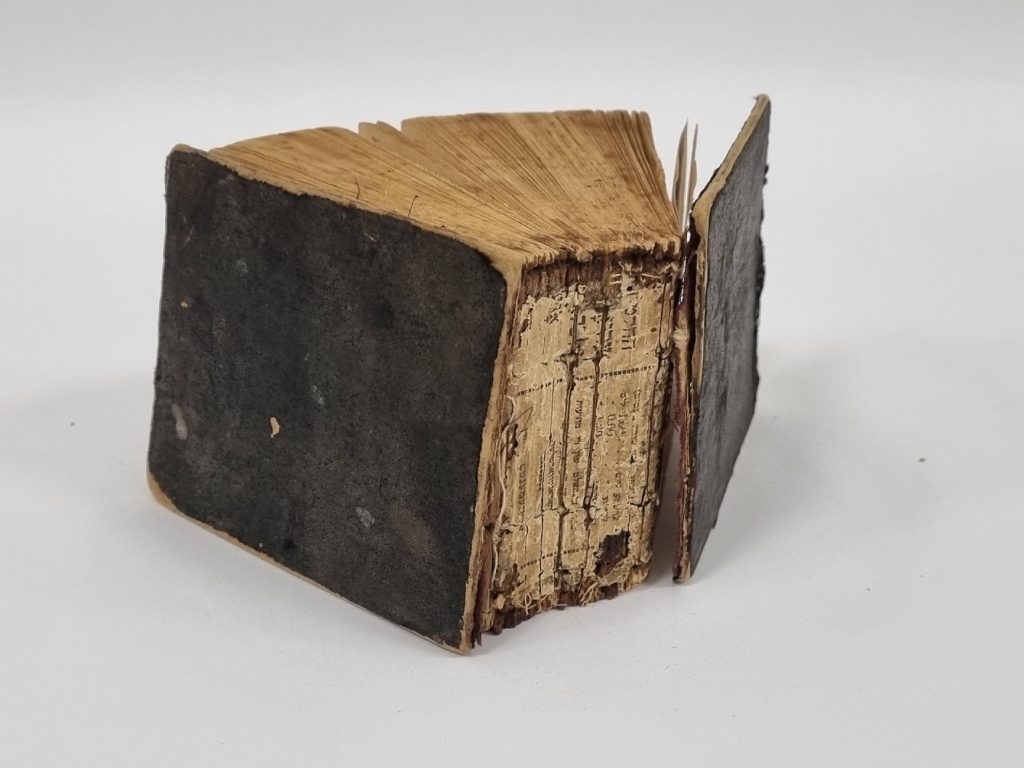
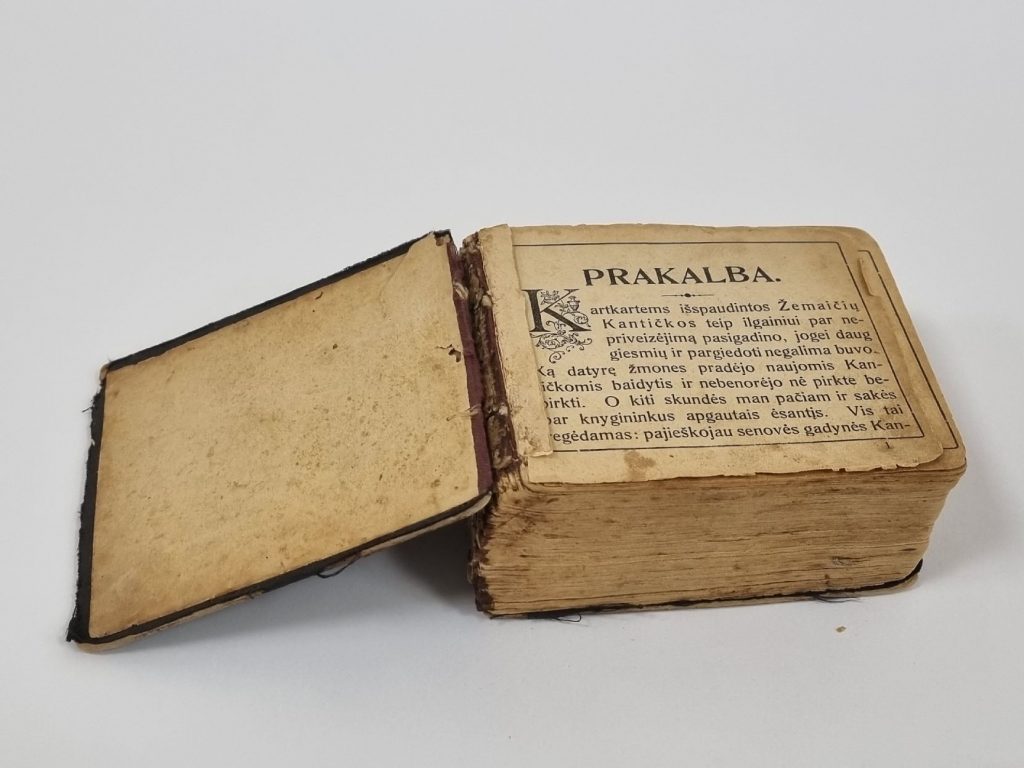
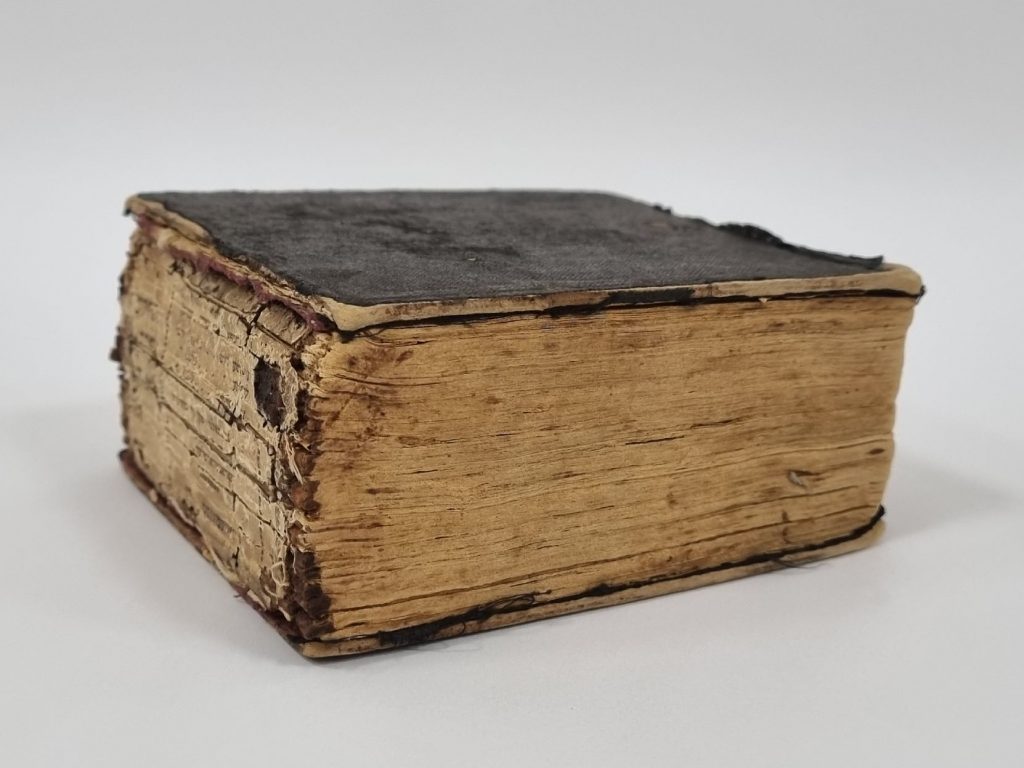
Restoration of old hardbacks

If you have some old hardcover which is especially dear to you and requires restoration of its cover, we can provide the following assistance:

  • We can replace the hard cover (as much as possible we will preserve the front cover in terms of its general view, picture, texture and other aspects);
  • We can replace the front pages. We will adapt the color hue of the initial front page and will preserve the graphic elements as much as possible;
  • We will firm up the inner block of pages and will reproduce the gluing of all the elements required for fastening the book;
  • If possible, we will refresh the edges of the block of pages by cutting off the erasures and dents showing the wear-and-tear of the book.

Contact us, or, even better, visit us with your book. We shall discuss to the smallest detail what could be done. We will provide a consultation and decide what further work can be done.

Order of business cards for KTU staff

The printing house will produce business cards for you which will conform to the guidelines of marketing issued by KTU.

KTU members of staff can order their business cards via e-mail ausra.vaicekauskaite@ktu.lt

Structure of a hardcover book binding
20:59
Sewn and glued books from the KTU printing house stacked on top of each other
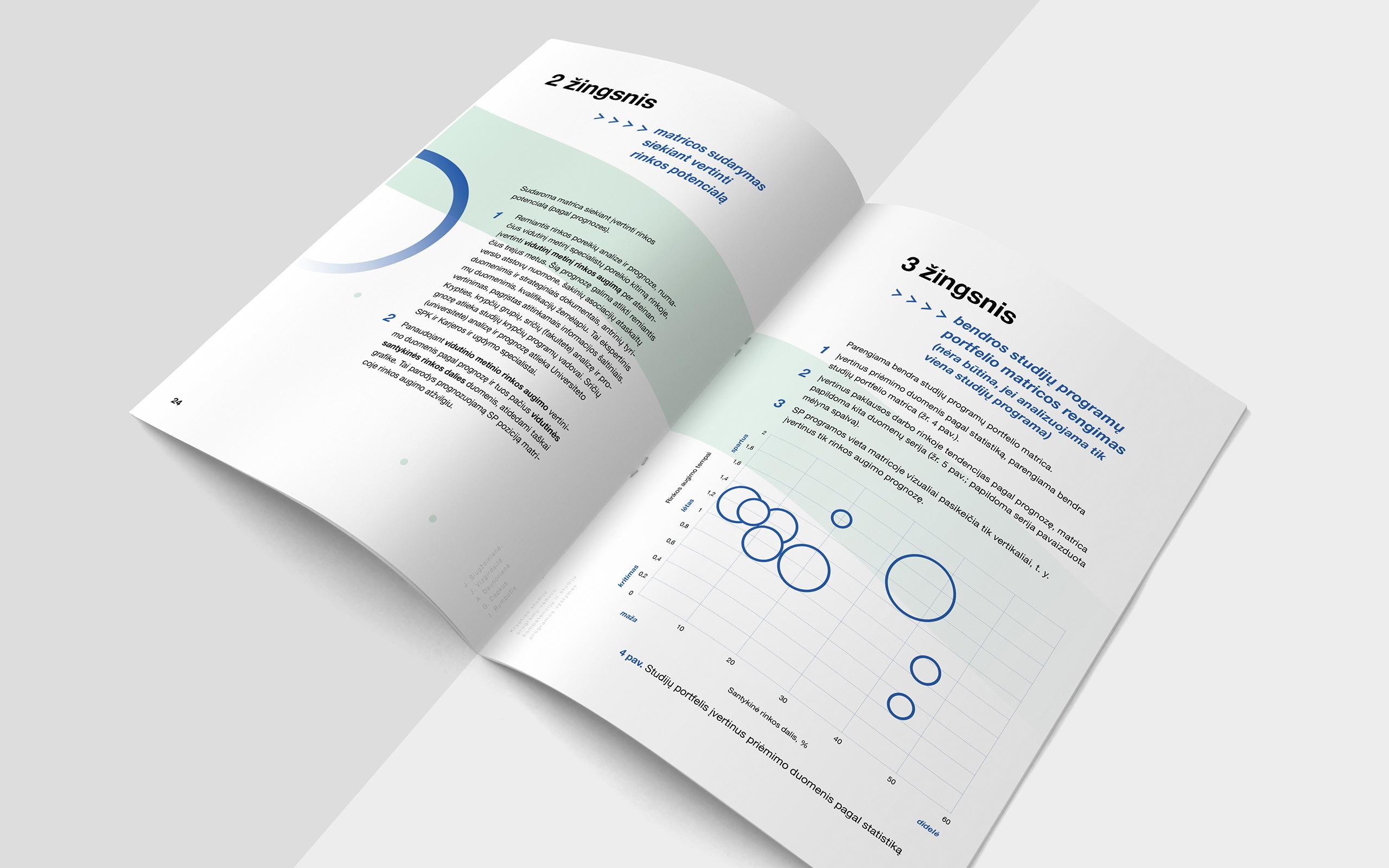
Staple-bound book example – KTU printing house
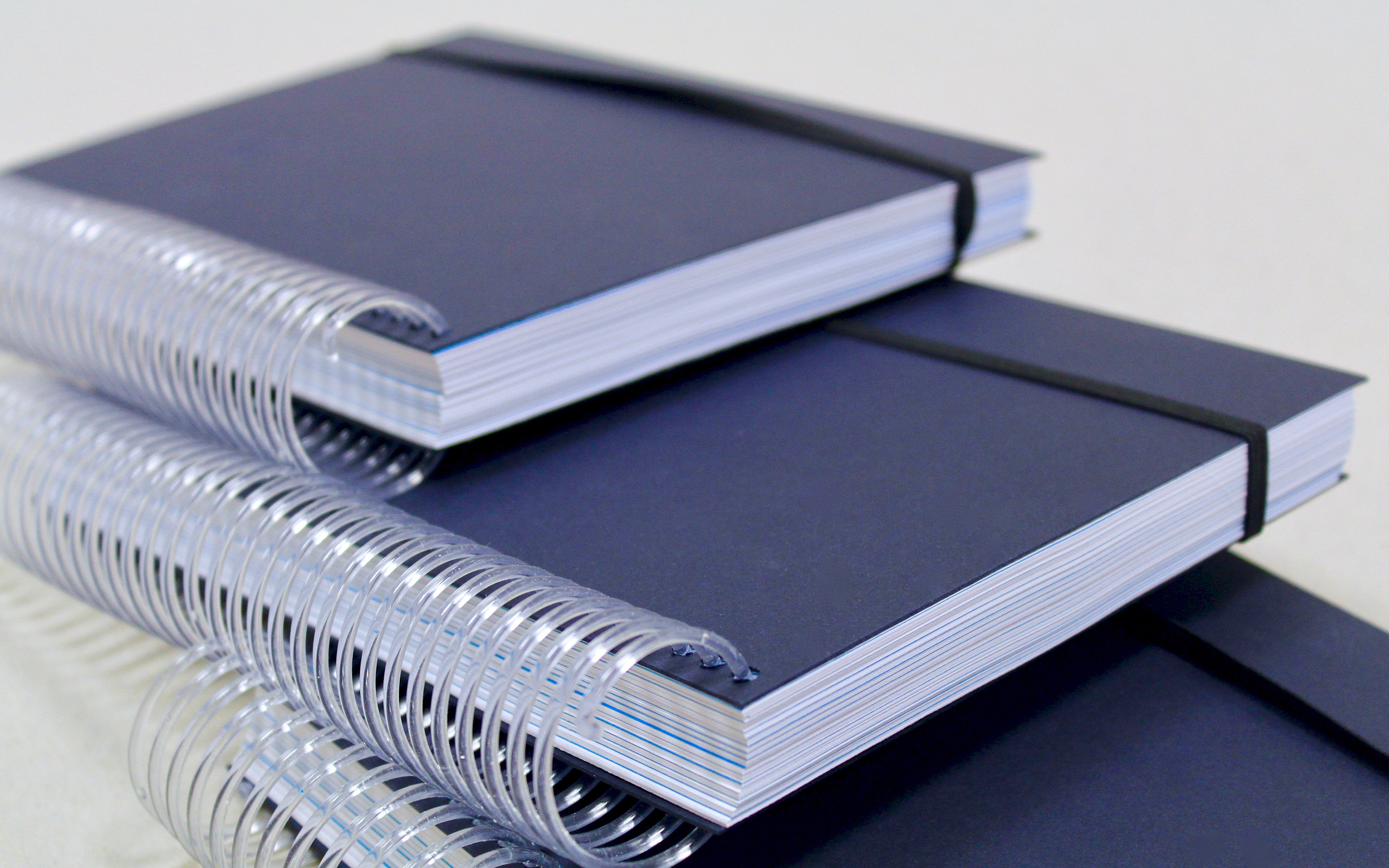
3 books with Spiral binding – KTU printing house.
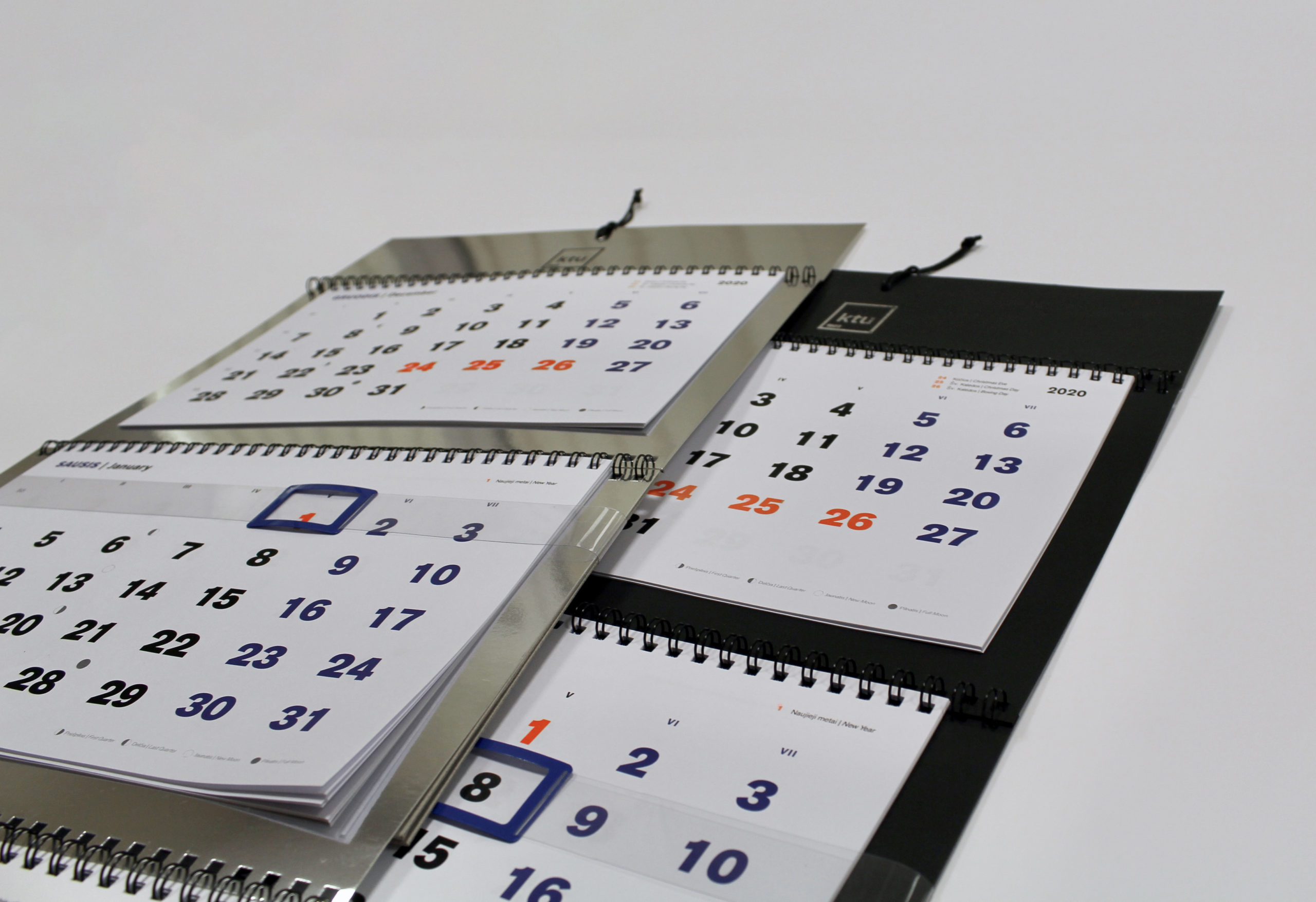
Wall calendars – KTU printing house

Contact Us

Aušra Vaicekauskaitė Publishing Administrator
KTU Publishing House “Technologija”
ausra.vaicekauskaite@ktu.lt
Marius Genys Head of Commercial Department
KTU Publishing House “Technologija”
spaustuve@ktu.lt
Agnė Sokolnikienė E-commerce Project Manager
KTU Publishing House “Technologija”
eshop@ktu.lt